
Women's Performance Running
Showing 148 results
Search Results
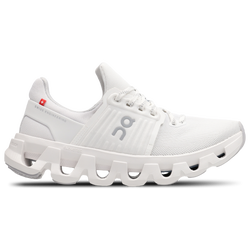
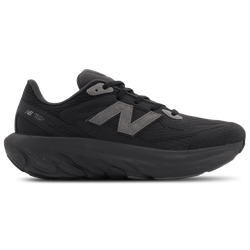
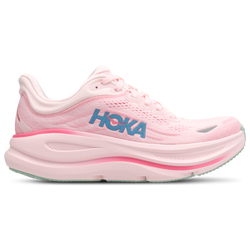
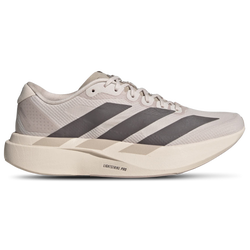
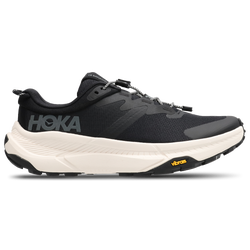
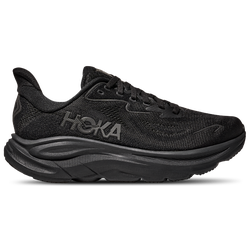
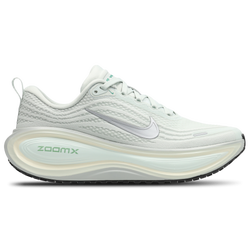
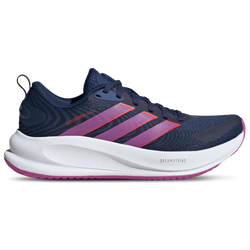
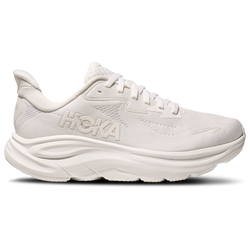
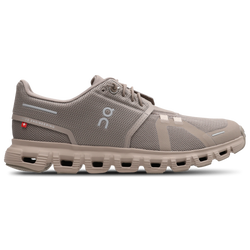
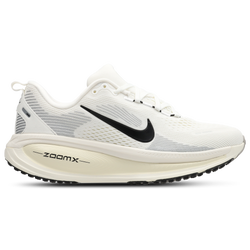


More Than Just Marathon Day
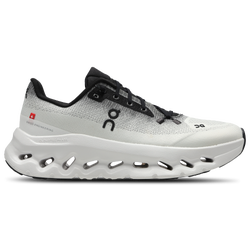
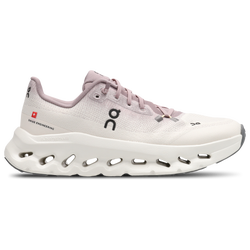
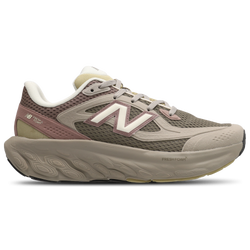
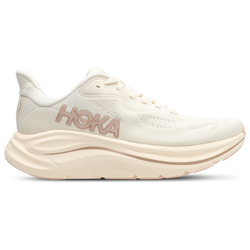
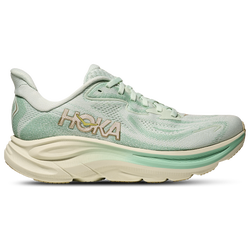
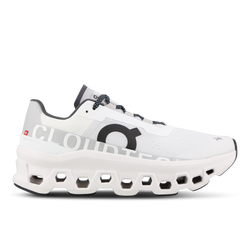
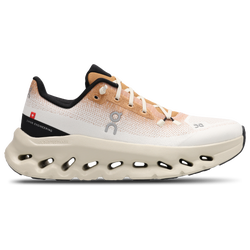
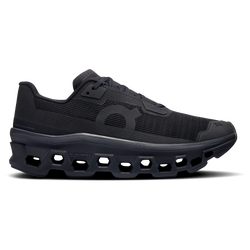
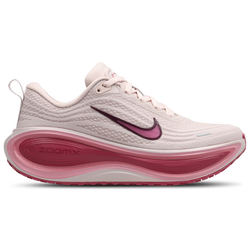
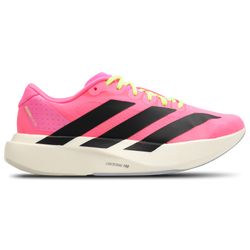
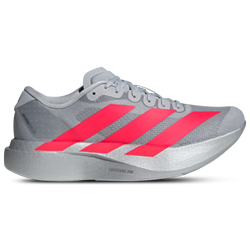
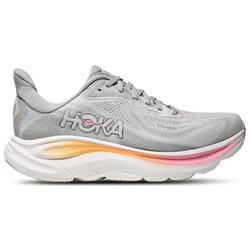
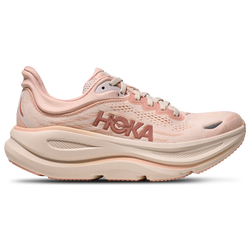
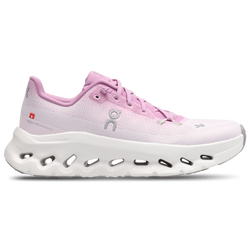
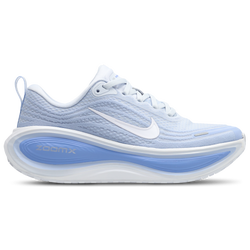
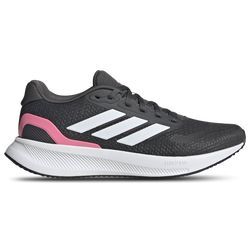
No longer just for the track or trail, running shoes are now styled with everything from wide-leg trousers to casual dresses, bringing a touch of "elevated athleisure" to any look. Our collection features women’s running shoes from industry-leading brands that drive the trend. You’ll find cutting-edge Nike running shoes for women, as well as innovative designs from brands like ASICS and Hoka.
Cushioning Tech for All-Day Comfort
The appeal of these trainers is rooted in their advanced comfort technologies. Hoka running shoes are defined by their maximalist cushioned midsoles, which provide a signature level of shock absorption and a good feel underfoot. Similarly, many ASICS running shoes utilize their iconic GEL™ tech for superior comfort and a smooth stride. Nike's offerings, such as the Pegasus, feature responsive React foam combined with Zoom Air units to create a lightweight ride.
FAQs
What are the best running shoes for women?
The perfect running shoe is all about your personal comfort and how you run. For daily miles, a versatile "workhorse" shoe with balanced cushioning, like the Nike Pegasus, is a great choice. If your foot tends to roll inward, a stability model like the ASICS GEL-Kayano provides gentle guidance. For a plush, highly cushioned feel on long runs, take a look at the Hoka Clifton.
Which women’s trainers are in fashion?
Right now, retro runners are a huge trend in women's fashion. Think silhouettes from the '90s and early 2000s, like the New Balance 530 and the ASICS GEL-1130. Classic, low-profile terrace shoes like the adidas Samba and Gazelle are also very popular. Finally, the "gorpcore" trend is still going strong, with models like the Salomon XT-6.
What is the difference between neutral and stability running shoes?
The main difference is the level of support they provide for your foot's motion. Neutral shoes are designed for runners whose feet roll evenly. Stability shoes, on the other hand, have features like guide rails or firmer foam on the inner side of the shoe to help control overpronation, which is when your foot rolls too far inward.
When should I replace my running shoes?
A good rule of thumb is to replace your running shoes every 500 to 800 kilometers. However, you should also look for physical signs of wear. If the tread on the outsole is worn smooth, the midsole feels flat and unresponsive, or you start feeling new aches in your joints after a run, it’s a clear sign that it’s time for a new pair.
Can I use my running shoes for other workouts like gym training?
While you can wear them for walking, running shoes are not ideal for gym workouts that involve side-to-side movements, like HIIT or court sports. They are designed for forward motion and lack lateral stability. For gym training, a cross-training shoe with a flatter, more stable sole is a safer option.